Norfolk Marsh Voices: A Citizen Scientist’s Field Guide

Step into wind-swept reedbeds and tidal flats with a citizen science guide to recording marshland bird calls in Norfolk, from Cley and Titchwell to Hickling and Strumpshaw. Learn fieldcraft that protects wildlife, capture clean, identifiable audio, and turn each dawn visit into credible data others can build on. We will profile distinctive sounds like bittern booms, bearded tit pings, and the exuberant chatter of sedge warblers, while showing exactly how to store metadata and share responsibly. Bring curiosity, patience, and a recorder; leave with sound that changes understanding.

Where Reeds Meet Sky: Planning Your Field Days

Successful recording sessions in Norfolk begin with thoughtful planning that blends tide times, wind forecasts, reserve access, and species seasonality. Dawn offers calmer air and richer song, but many reedbed specialists call reliably at dusk too. Research hides and boardwalks at Cley Marshes, Titchwell Marsh, Hickling Broad, and Strumpshaw Fen, then match habitats to targets. Reedbeds reward persistence in spring; winter marshes sing through waders. Pack light, check sunrise, and carry patience. Your ears will do the heaviest lifting when conditions cooperate.

Tools That Survive Spray, Wind, and Mud

You do not need exotic equipment to make contributions that matter. A phone with an external microphone and a good windshield can document vital occurrences, while a small recorder upgrades fidelity and noise performance. Prioritize wind control, gain stability, and silent handling over complicated rigs. Carry spare batteries, silica gel, and a soft cloth for brackish spray. Pack as if everything might get damp, then plan a quick, safe setup so the first songster of dawn does not vanish while you fiddle with knobs.
A smartphone plus a compact external mic, like a lightning or USB‑C stereo capsule, can capture decisive evidence when timing is everything. Fit a quality furry windshield, switch on airplane mode, and set an app for 48 kHz, 24‑bit WAV. Brace the phone against a railing or bag to tame handling noise, and face away from the wind. This minimalist kit wins by being ready instantly, letting you document brief Cetti’s bursts, bearded tit pings, or sudden wader alarms without unpacking a larger recorder.
Portable recorders such as the Zoom H5 or Tascam DR‑05X offer cleaner preamps and flexible microphones. Choose a stereo pair for spacious reedbed atmospheres or a shotgun for isolating a single singer across channels. Record at 48 kHz, 24‑bit, set peaks around minus twelve decibels, and use a proper blimp or furry cover. Mount on a lightweight stand to eliminate handling thumps. Label files in the field with spoken notes: site, time, target, behavior, and conditions, ensuring your memory remains trustworthy later.

On‑Site Technique: Quiet Hands, Clean Tracks

Technique determines outcomes more than technology in exposed marsh weather. Reduce noise at the source, protect the microphone from gusts, and keep your body still. Capture longer takes to increase identification chances, since rare calls can appear between phrases. Use spoken markers sparingly for notes, then leave generous silence around target sounds for future analysis. Move with intention, pause often, and log coordinates immediately. Reliability grows from habits that anticipate wind, water, people, and birds. Small improvements compound into recordings scientists can trust.

Beating the breeze: positioning, shielding, and smart EQ choices

Face your back to the wind so your body shields the microphone, and step behind reed walls or hides that diffuse gusts. Hold gear close to your chest to minimize leverage and handling thumps. In post, apply a gentle high‑pass filter around eighty to one hundred hertz to remove rumble without thinning warbler voices. Avoid heavy noise reduction that smears transients crucial for identification. If waves are loud, shift inland a few meters; eliminating the loudest interference usually matters more than any plugin.

Gain staging and distance for confident identification

Set levels so enthusiastic peaks land near minus twelve decibels, leaving headroom for surprise alarms or overlapping calls. If the target is faint, move your position before touching gain, since amplification also raises ambient hiss. Avoid clipping; distorted audio destroys diagnostic harmonics. When birds approach, lower levels preemptively. Record a longer continuous take rather than restarting repeatedly, then jot a time index to key phrases. Stable gain and sensible distance help experts compare spectrograms without guessing how electronics influenced the captured signature.
Reed and sedge warblers, and the explosive song of Cetti’s

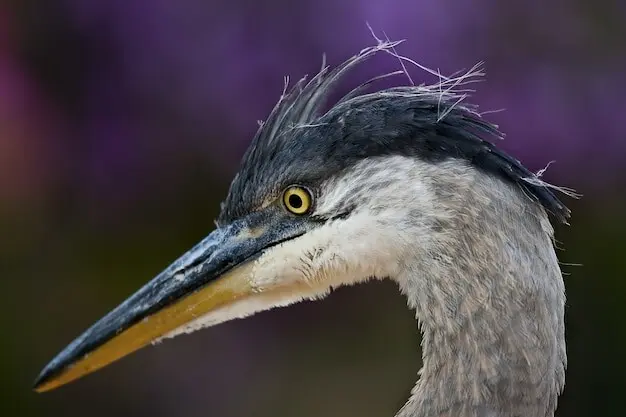
Reed warbler delivers steady, rhythmic churring with modest mimicry, often cycling phrases at a measured pace deep within reeds. Sedge warbler is busier, jumpier, and more varied, bursting into frenetic improvisations with sudden shifts and brighter twitters from higher perches. Cetti’s warbler erupts in a short, startling blast, loud and abrupt, often from dense cover. Record full minutes when possible so patterns emerge. Annotate perch height and behavior; these contextual clues, plus tone and pace, help separate tricky encounters on hazy mornings.

Bittern booms, bearded tit pings, and the squeal of water rail

Bittern’s call is a deep, foghorn‑like boom that pulses through reedbeds at dawn and dusk in spring, often preceded by inhalation grunts. Bearded tits emit sharp, metallic pings as flocks bounce between reed stems, sometimes punctuated by soft contact chatter. Water rail surprises with piglet‑like squeals and grunts from hidden channels. Give these species space, especially near suspected nesting sites. Low‑frequency bittern booms favor calm conditions; position carefully to avoid wind rumble. Document intervals between notes, which can support individual identification and behavior insights.

Waders and beyond: avocet, redshank, curlew, lapwing, and cranes

Along pools and grazing marsh, avocet offers clear, ringing calls, while redshank repeats urgent tew‑tew alarms from posts or air. Curlew pours haunting, ascending phrases across open water, contrasting with lapwing’s yelping, electronic‑sounding chatter and wing squeaks. In lucky moments at Hickling or nearby sites, cranes bugle with stately, resonant blasts. Differentiate flight calls from feeding notes by cadence and spacing. Note tide stage, flock size, and altitude cues verbally. These details, paired with audio clarity, turn pleasant encounters into valuable observations.
Respect the Marsh: Ethics, Safety, and Law

Marshes are living nurseries, and recording must never compromise welfare. Keep to paths and hides, avoid playback near breeders, and prioritize distance over dramatic clips. UK law protects many Norfolk birds under the Wildlife and Countryside Act; several, including bittern, marsh harrier, avocet, and crane, receive additional safeguards during breeding. Reserves set rules that protect habitat and visitors alike. Your calm presence, conservative choices, and transparent notes build trust with wardens and researchers. Let stewardship guide every decision, microphone angles included.

Metadata that makes your audio scientifically useful

Embed recorder model, microphone, sample rate, bit depth, date, time, latitude, longitude, reserve name, habitat, weather, wind, behavior, and distance estimates. Add notes on background species and human noise. Include whether playback occurred, ideally never near breeders. Use consistent species names and confidence levels. Spoken slates help but back them up with written logs or app entries. Proper metadata lets analysts compare across seasons and sites, unlocking patterns like arrival dates, calling rates, and habitat preferences hidden inside otherwise beautiful, context‑free soundscapes.

Post‑processing and spectrogram skills using free, accessible tools

Begin in Audacity or Ocenaudio with careful trimming and fades, then apply a light high‑pass to tame rumble. Use Sonic Visualiser or Raven Lite to inspect harmonics, pacing, and bandwidth. Avoid aggressive noise reduction that erases diagnostic edges. Keep a pristine original alongside edited derivatives. Annotate time stamps where phrases change, and export screenshots for discussion. Practice on known recordings from trusted libraries to calibrate your eyes and ears. Incremental, conservative edits help reviewers focus on natural characteristics instead of processing artifacts.

Submitting and engaging: Xeno‑canto, eBird, BirdTrack, and local groups

Share selected clips on Xeno‑canto with Creative Commons licenses, attach audio checklists to eBird, and log observations on BTO BirdTrack for UK‑relevant tracking. Obscure sensitive locations during breeding, then circle back after fledging with updates. Invite critique from the Norfolk birding community, and attend reserve walks to compare notes in the field. Consider monthly challenges, like a five‑species dawn set from one hide. Subscribe for updates, post questions beneath this guide, and inspire newcomers by explaining how your first uncertain clip became confidently identified.
Zorisentovexoteli
Privacy Overview

This website uses cookies so that we can provide you with the best user experience possible. Cookie information is stored in your browser and performs functions such as recognising you when you return to our website and helping our team to understand which sections of the website you find most interesting and useful.