Where Reeds Sing and Seasons Breathe

Join a vivid listening journey through the seasonal soundscapes of East Anglia’s wetlands, from the Broadland reedbeds to the Ouse Washes and coastal lagoons. We will follow wind, water, wings, and weather, tracing how voices shift with light and temperature. Expect booming bitterns, reeling warblers, whispering reeds, and winter choruses of wildfowl. Bring curiosity, a warm layer, and your best listening patience, then share your memories, recordings, and questions so we can learn together.

Spring: Dawn Unfurls Across the Reeds

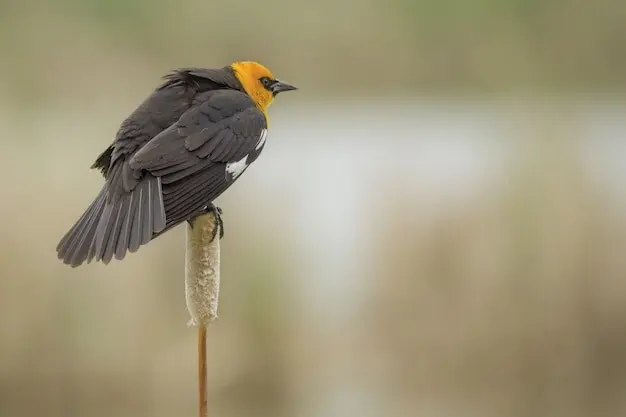
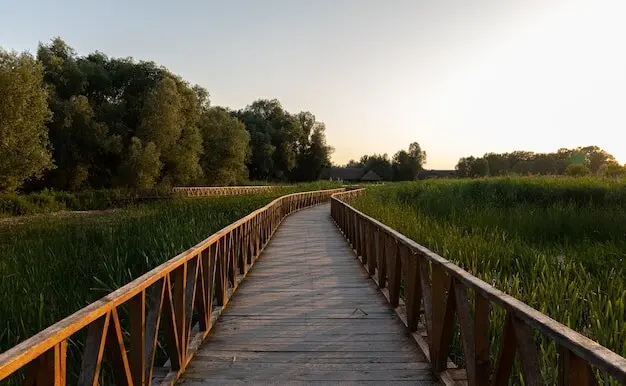
When frost lifts into pearly mist, the wetlands wake in layered voices that braid water with sky. Sedge and reed warblers chatter over the steady breath of wind through phragmites, while a hidden bittern releases its resonant pulse. Curlews bubble from mudflats, lapwings toss liquid calls above meadows, and snipe begin their aerial drumming. Boots thud softly on boardwalks, wren trills flash like sparks, and rain taps brief rhythms that sharpen every feathered phrase.

Summer: Heat Haze, Marsh Breath, Insect Choir
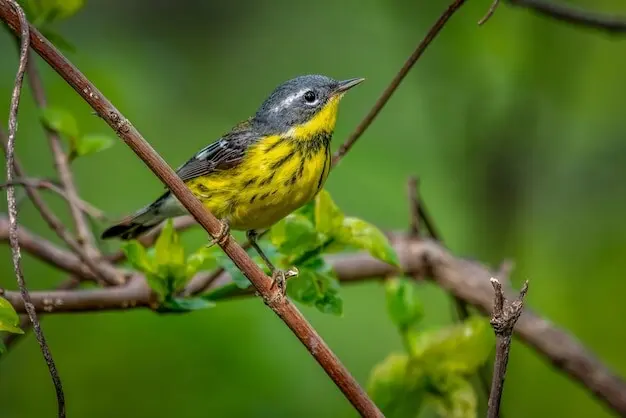
By midday the reedbeds breathe slowly, a warm rustle like fabric shifting on a giant loom. Reed buntings deliver their simple, patient couplets, and bearded tits skip through with percussive pings that feel metallic and bright. Water rails squeal from cover, boats hum distantly on the Broads, and the air carries dragonfly wings like tiny fans. Evening loosens the day’s tight weave; swifts scream overhead, fish kiss the surface, and the marsh exhales contentment.

Autumn: Tides of Passage and Quieting Fields

Edges sharpen again as the first cool winds arrive. Reeds crackle and click, seedheads rattle, and reedmace pops softly when birds flit through. On shallow lagoons, avocets pipe with delicate clarity while redshanks cry tew-tew over gathering clouds. Curlew voices stretch into dusk with aching beauty. Bearded tits move in restless flocks, their pings skipping like stones. Over marsh and saltings, skeins assemble, wingbeats whispering promises of distant Arctic light and longer nights.

Shoreline Conversations

On retreating tides, the mud writes its invitations in glistening syllables, and waders answer. Redshanks throw bright alarms, curlews pour ancient vowels, and avocets trace thin, high signatures above rippled reflections. Autumn’s palette mutes the land but amplifies edges, revealing call-and-response patterns among feeding flocks. Stand where brackish creeks meet reed, feel the salt lift, and follow the clicks of pebbles under small feet. Each note is a footprint the water cannot keep.

Rustle of Reeds, Weight of Harvest

Dry reeds rasp like turning pages as wind fingers the margins, and maintenance work hums politely in the distance. Traditional reed cutting still shapes winter roofs and summer nests alike, a duet of livelihood and habitat. Bearded tits tumble through, their contact calls bright as copper coins, while wrens slip quick reprimands from low cover. Attend to texture: crisp, papery, rattling, brittle, softly tearing. Autumn teaches listeners to hear shape, not only pitch or volume.

Winter: Wildfowl Choir and Frosted Silence

Wigeon Whistles and Swan Conversation

Wigeon brighten the greys with liquid glassy notes, a brightness carried on cold that pricks the ear awake. Among them, whooper swans speak in deep, companionable bugles, family units exchanging soft confirmations as they feed. At the Ouse Washes, these layers form a radiant dome of sound across steel water and pale sky. Listen for rhythm and spacing; patterns reveal behavior. Let your breath match their calm and write only after the moment passes.

Murmuration Rush and Settling Reeds

Arrive early at a known roost and the air will begin to hum before eyes can measure its source. Starlings gather from every compass point, braiding themselves into living punctuation, wingbeats building a low, sandy roar. As they pour into the reedbed, the rush becomes a sigh, then a rustle, then an occasional murmur as bodies find purchase. Night claims the last glints. You carry away a private echo, warm against the frost.

Footsteps in Frost, Ears in the Clear

Crisp paths announce every step, crunching sugar-glass patterns into the morning. Your own breath becomes percussion, your coat a whispering sail. Winter rewards those who slow to match its measured pace. Choose hides that face away from wind, keep batteries warm for recorders, and rest your elbows to quiet handling noise. Share your field notes later with fellow listeners; generous conversations keep hands warm long after the sun retires behind low, pewter clouds.

Fieldcraft: Ears First, Eyes Second

Listening shapes attention, and attention shapes place. Begin by facing away from distractions, letting the wind strike your back so sound arrives undistorted. Close your eyes, map the marsh in circles, and place voices as clock points. Use a simple notebook, a reliable pencil, and a phone for quick memos. Record sparingly, watch for signs of stress, and keep distance. The goal is connection, not capture; understanding grows when disturbance does not.

Stories from the Waterlands

To remember a place by sound is to keep company with it, even in faraway kitchens and sleepless trains. Listeners write to say a single boom carried them through a hard week, or a flock’s wing-rush cleared stale air. Here we collect moments, honest and ordinary, that tether hearts to reed and sky. Add your own, subscribe for future field notes, and let the marsh travel with you wherever quiet can arrive.

The Morning the Marsh Spoke

I arrived before light with coffee that tasted like burnt stars and a notebook already smudged. The bittern boomed once, twice, and suddenly a tiny wren decided to ignite the edges. Breath paused, hands thawed, and boots steadied. I wrote one line: stay. Decades later, that single instruction still listens back. If you have a similar hinge-moment, share it below. Your recollection might be the invitation someone else has been waiting to hear.

Geese Above the Mist

We could not see the river, only hear it breathing under pale mist when the first yips arrived, traveling before shape. The flock’s rhythm gathered like a train long before the station, then tilted overhead, invisible commas unspooling. Conversation fell away, replaced by lifted chins and open mouths. Afterward we laughed at our silhouettes, heads cocked like curious birds. Tell us about the unseen things you have recognized first with ears, then heart.

A Night of Gentle Rain

Rain began as a hush, as if the reeds had agreed to keep a secret together. Warblers tucked their final notes, frogs offered soft punctuation from a ditch, and the boardwalk ticked faintly under each absorbed droplet. We stood without speaking until our coats grew heavy and our pockets smelled like wet rope. Later, indoors, the recording sounded like velvet. If weather has ever tuned your listening, leave a note and help tune ours.

Zorisentovexoteli
Privacy Overview

This website uses cookies so that we can provide you with the best user experience possible. Cookie information is stored in your browser and performs functions such as recognising you when you return to our website and helping our team to understand which sections of the website you find most interesting and useful.