Songs on the Wind: Listening Along Norfolk’s Migratory Shore

Join us as we map migratory birdsong along the Norfolk Coast, tracing calls from Blakeney to Holkham and Titchwell, where tide, wind, and reedbeds shape every note. Expect practical tips, vivid stories, and an evolving sound atlas linking places, species, and moments. Bring headphones, curiosity, and a gentle footprint; share your recordings, compare spectrograms, and help chart voices riding sea air each dawn and through star-filled nights.

Where Tides Meet Voices: The Coastal Soundscape

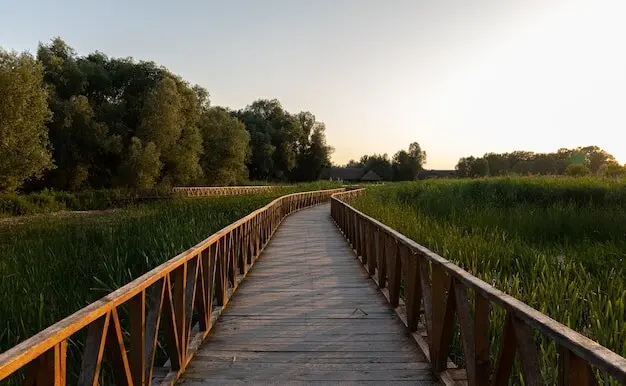
Saltmarsh dawn

At first light near Stiffkey, redshank alarms skip across creeks while curlew phrases carry impossibly far, stitched to oystercatcher pipes and reed warbler undercurrents. We note positions against channels and samphire patches, tagging each burst with tide height. This careful mapping exposes feeding paths and roost edges without approaching nests, letting the marsh draw its own contour lines in sound.

Reedbed whispers

At first light near Stiffkey, redshank alarms skip across creeks while curlew phrases carry impossibly far, stitched to oystercatcher pipes and reed warbler undercurrents. We note positions against channels and samphire patches, tagging each burst with tide height. This careful mapping exposes feeding paths and roost edges without approaching nests, letting the marsh draw its own contour lines in sound.

Dune and shingle chorus

At first light near Stiffkey, redshank alarms skip across creeks while curlew phrases carry impossibly far, stitched to oystercatcher pipes and reed warbler undercurrents. We note positions against channels and samphire patches, tagging each burst with tide height. This careful mapping exposes feeding paths and roost edges without approaching nests, letting the marsh draw its own contour lines in sound.

Choosing microphones

Select tools by question, not price. Want to isolate a travelling tree pipit? A light dish and quiet preamps beat heavy rigs you will never carry to a remote spit. Chasing reed dialogue? Matched omnis spaced carefully capture space honestly. Keep notes on gain, filter choices, and handling, linking each setting to coordinates, tide stage, and weather snapshots for later comparison.

Beating the breeze

Wind is part of the story, but it needn’t smother the words. Sit behind gorse, tuck recorders into backpacks used as soft shields, and angle capsules just off-axis to the gusts. Record long, then document lulls. Mark wind speed with a pocket meter; tag rumble sources, and maintain consistent mic height, yielding cleaner, comparable spectrograms that foreground migrants without pretending the sea is silent.

Ethics at the shoreline

Never bait, flush, or overplay recordings. Avoid playback entirely during breeding and busy refuelling periods. Follow wardens’ guidance, keep dogs leashed far from roosts, and prefer longer lenses to closer steps. Our mapping values patterns, not proximity. We redact sensitive coordinates for terns and ringed plovers, sharing generalized polygons instead, so knowledge spreads while birds keep their beaches, bars, and quiet margins.

Field Recording Kit and Wind-Wise Technique

Strong onshore winds test every microphone choice. We compare parabolic dishes for distant phrases, supercardioid shotguns for focused lines, and small omnis for layered ambience. Dead cats help, but technique matters more: body-as-baffle, banks as windshields, low profiles on leeward slopes. All advice prioritizes bird welfare, stability, and repeatability, so mapped calls become data points rather than lucky accidents scattered by gusts.

From Notes to Map: GPS, Spectrograms, and Layers
Notes alone fade; linked data lives. We pair every clip with GPS, time, tide, wind, and habitat tags, then visualize layers in QGIS before publishing a lightweight Leaflet map. Spectrogram annotations label phrases, enabling searches by frequency, duration, or species. Consistent schemas let community contributions merge cleanly, turning scattered field days into a coherent coastal score navigable by ear and place.

Travelers Over Water: Species Highlights

Timing the Passage: Weather, Tides, and Phenology

Timing is the coastal metronome. Tailwinds from the continent, gentle drizzle, or sudden clear-outs shape who arrives and how loudly they speak. Tides open mudflats like stages, then close them fast. Climate shifts bring earlier songs and later lingerers. We plan sessions around synoptic charts, moon phases, and spring-neap cycles, stacking odds for meaningful captures while documenting misses that teach just as much.

Reading synoptic charts like setlists
A quick glance at isobars can predict a chorus. Easterlies usher arrivals that pause to feed; strong westerlies can hush everything but locals. We translate pressure lines into plans, aligning free mornings with promising windows. Afterward, notes compare forecast to field, improving instincts. Over a season, this habit writes a weather-margin in our atlas, letting future listeners anticipate crescendos before packing their flask.

Moonlight and migration

Nocturnal migrants often ride clear, moonlit nights, peaking around first quarter through gibbous phases when visibility and stars aid orientation. We overlay lunar data on call counts, seeking correlations while guarding against easy myths. Even null results matter, anchoring narratives in evidence. Practical takeaway: plan night stations a little longer on bright spells, and always log cloud cover, because thin veils change everything.

Community Ears: Collaboration and Learning
Many ears widen the shore. Local birders, dog walkers, school groups, and visiting sound artists contribute notes, photos, and clips. We provide simple forms, clear standards, and quick feedback, so participation rewards curiosity immediately. Names ride alongside pins, while sensitive sites stay masked. Workshops at visitor centres demystify spectrograms, building confidence that every careful listen can translate into one more reliable coordinate.

Respecting seasonal closures

Roped beaches and fenced scrapes mark hard-earned wins by local teams protecting vulnerable breeders. Treat them as gifts, not obstacles. We adopt distant vantage points, accept imperfect takes, and rely on long lenses and directional mics. Notes record wardens’ advice as metadata. When birds fledge successfully, future recordings feel sweeter, and our atlas inherits its integrity from those careful, sometimes inconvenient, choices.

Night work essentials

Dark dunes disorient even seasoned walkers. Bring a friend, red-light headlamp, charged phone with offline maps, and a whistle. Mark your entry point, log the tide, and maintain three points of contact on steep sand. Use reflective tape on tripods. If fog builds, retreat early. Good sessions feel unremarkable in the moment; dramatic rescues mean plans went wrong long before the microphones rolled.

Leave the shore better

Pick litter as you go, close gates softly, and report washed-up hazards to rangers. Avoid trampling fragile foredunes; choose existing passages. Offer thanks to volunteers, then share your findings back with credit. A tiny brush and microfiber cloth keep sand from gear, extending its life. These courtesies sound small, yet they amplify every recording by ensuring tomorrow’s chorus has a safer stage.
From Field to Inbox: Share, Subscribe, Return

Our inbox and map grow together. Subscribe for seasonal updates, field notes, and new listening routes. Send your recordings, coordinates, and a line about the moment, and we will respond with spectrograms and gentle suggestions. Today we explore mapping migratory birdsong along the Norfolk Coast; tomorrow we refine, compare, and revisit. Return often, bring friends, and help this coastline sing more clearly for everyone.

How to contribute recordings today

Use your phone’s voice memo or a small recorder; stand still, face away from the wind, and capture at least sixty seconds. Note location, time, tide, and weather. Email or upload via our form, and we will tag, verify, and publish responsibly. Every careful clip, however modest, adds contrast and depth to the coastal score our shared map is steadily assembling.

Join the listening club

Subscribers receive early access to new pins, printable walk cards with quiet corners, and occasional invites to dawn sessions led by friendly nerds with thermoses. You can comment on clips, propose corrections, and vote on feature ideas. Together we learn faster, celebrate surprises, and welcome newcomers who might turn a simple stroll into the next unforgettable entry on the shared coastline.

What we will listen for next

Upcoming sessions target brief windows when tree pipits and whinchats pause on fences, and when little tern colonies quiet after fledging. We will refine nocturnal setups, test foam baffles behind dunes, and compare reedbed polygons across years. Tell us your questions, and the map’s itinerary will stretch to include them, ensuring the project grows by curiosity, not just convenience or habit.

Zorisentovexoteli
Privacy Overview

This website uses cookies so that we can provide you with the best user experience possible. Cookie information is stored in your browser and performs functions such as recognising you when you return to our website and helping our team to understand which sections of the website you find most interesting and useful.