Norfolk Marsh Birdsong Atlas: Listening to a Living Landscape

Step into the reeds with the Norfolk Marsh Birdsong Atlas, a living invitation to hear place as pattern and time. We chart mornings when bitterns boom and evenings when warblers embroider the air, blending maps, memories, and recordings so you can listen with confidence and wonder.

Dawn Light Over Reeds

At first light the reedbeds breathe, and sound becomes a map of edges, channels, and wind. Guided by long walks and quiet waits, we mark the moments when the marsh wakes: low bittern thunder from Hickling, delicate bearded tit pings, restless warblers stitching phrases through pale mist.

Booms, Pings, and Warbles

Listen for the bittern’s bass that rolls like a drum across water, the bright metallic ping of bearded tits skipping the reed stems, and the busy, breathless chatter of warblers. Together they sketch boundaries, depths, and secret corridors better than any pencil.

When to Arrive

Arrive while stars still fade and the eastern sky holds its first silver, because voices lift with the slightest warmth. Spring after clear nights sings loudest here, yet autumn dusk can surprise, especially when wind drops and water calms to a mirror.

Field Notes That Matter

Carry a notebook as patient as your feet. Note wind, cloud, moonphase, tide, and water level, then sketch the soundscape field by field. Pair every entry with coordinates and time, and your later map will hum with context instead of guesswork.

Distinct Voices of the Wetlands

Each species carries a signature that anchors place. Learn the sub-bass boom that barely records yet rattles ribs, the explosive syllables of Cetti’s warbler, and the scratchy improvisations of reed and sedge warblers. Even silence and wingbeats teach, when marsh harriers carve the dawn.

Bittern: The Subwoofer in the Reeds

A male bittern inflates like a bellows and booms with energy you feel more than hear, reaching astonishing distances over flat water. On cold mornings the sound travels farther, outlining territories as if someone traced invisible circles with a slow, steady compass.

Reed and Sedge Warblers: Tangles of Phrases

Reed warblers weave insistent, even rhythms, while sedge warblers lurch into mimicry and sudden fireworks. Stand between two hedges of reed and listen to phrases bounce. With practice you will follow one singer through chaos and recognize neighbors interrupting like opinionated cousins.

Cetti’s Warbler and Friends

Cetti’s warbler detonates from low scrub, startling walkers and microphones alike; short, loud, and close. Nearby, water rails squeal like tight hinges, while bearded tits ping in family groups. Put these clues together and the vegetation’s architecture becomes audible even with your eyes closed.

From Sound to Map
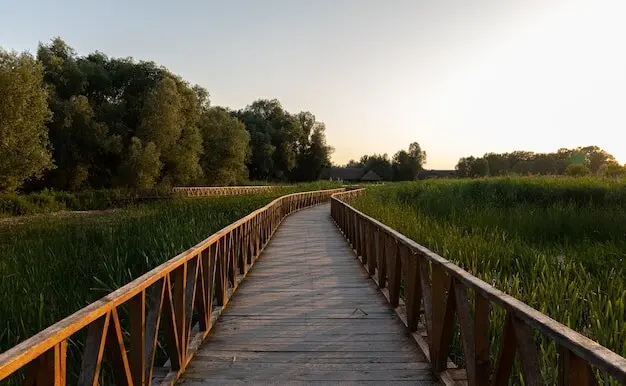
Turning sound into cartography starts with small choices. Place your microphone with wind and water in mind, keep levels conservative, and tag carefully. Later, align notes, photos, and spectrograms, and a pattern of channels, reed cuts, and singing territories emerges like ink spreading through paper.

Recording Gear That Respects Wildlife

Choose tools you can carry quietly: a handheld recorder with good preamps, a furry windshield, and headphones that reveal low rumbles without exaggeration. Parabolic dishes help with distant phrases, but never chase; let birds come to you by protecting space and calm.

Clean Data, Clear Map

Write file names that mean something weeks later, back up in two places before you sleep, and keep a log linking clips to grid references. Removing airplane noise or distant roads preserves clarity, while honesty about edits keeps the atlas trustworthy and transparent.

Tides, Reeds, and Resilience

Change arrives on the wind and with the sea. High tides, drought, and salt intrusion reshape breeding success, while careful reed cutting and managed flooding create shelter. Listening year after year reveals trends beyond one morning’s beauty, turning pleasure into protection and practical, local stewardship.

Water Levels Tell a Story

When water stands too high in nesting season, warbler clutches fail; when it falls too low, predators cross exposed ground. Your notes on levels, rainfall, and sluice operations become evidence. Shared with wardens, they guide tweaks that ripple into stronger spring soundscapes.

Reedbeds Need Gardeners

Reedbeds thrive when sections are cut on rotation, leaving mosaics of age and height. That patchwork hosts insects, offers song posts, and hides nests. The atlas highlights where structure matches chorus strength, encouraging management that marries craft knowledge with measurable, singing results.

Listening for the Future

Sea-level rise presses salt up creeks; sudden storms flatten nests. By archiving when and where songs vanish or return, we trace resilience. Stories of recovery, like marsh harriers rebounding in East Anglia, remind us that patient help can turn quiet into chorus again.

A Volunteer’s Frosty Morning

One volunteer thawed her hands by breathing into her gloves between notes, refusing to miss the moment a distant bittern replied. Later, her trembling recording proved a second male had returned, and the smile in her field log warmed everyone around the table.

The Child Who Heard the Difference

A child started calling coots the cluckers and moorhens the tickers after hearing their rhythms from a hide. That playful naming unlocked attention, and within weeks he could point to reeds and say who sang there, with a pride that lifted his parents.

Tea, Maps, and Community

After each survey we pour tea, spread paper maps, and compare notes until laughter replaces doubt. Disagreements shrink when someone plays a clip and the room leans in. That ritual builds trust, turning scattered earbuds into one listening, learning community committed to place.

Join the Chorus

Share Your Marsh Minutes

Post a minute of dawn from your nearest dyke, with date, grid reference, weather, and a note about distance to the singer. Short, honest clips are welcome. Together we will fill the quiet corners and discover patterns no single listener could notice alone.

Ethics of Quiet Listening

Keep to paths, give nests space, and mute your excitement when birds approach. Your presence should leave only footprints and better understanding. We celebrate careful choices, because every undisturbed brood becomes another note in tomorrow’s chorus, and respect keeps access open for everyone.

Stay in Touch, Stay Curious

Sign up to receive field calls when migrations peak, learn from annotated spectrograms, and share which guides helped you hear more clearly. Your replies steer future walks and articles, making this project responsive, generous, and shaped by many steady, attentive ears.

Zorisentovexoteli
Privacy Overview

This website uses cookies so that we can provide you with the best user experience possible. Cookie information is stored in your browser and performs functions such as recognising you when you return to our website and helping our team to understand which sections of the website you find most interesting and useful.